
Published 23 January 2026
Your guide to the 2026 outdoor space design trends in New Zealand
How changing social, cultural and environmental needs are shaping outdoor space design in New Zealand in 2026.
Outdoor spaces work best when they reflect how people actually live, move and connect. As this changes, so too does the way we need to plan, design and furnish our streetscapes, parks and precincts.
Across Aotearoa New Zealand, we’re witnessing a multitude of changes driven by broader social, cultural and environmental shifts – from changing demographics and the ongoing emphasis on wellbeing, cultural identity and inclusion, to the realities of climate change.
In this guide, we explore how councils, developers, urban planners and their design partners can respond to these shifts by harnessing the latest outdoor space design and street furniture trends.
1 Multi-generational and inclusive design
Around the globe, urban design frameworks are placing inclusion at the centre. In New Zealand, this aligns closely with universal design principles promoted by government bodies and industry organisations like Recreation Aotearoa.
New Zealand’s population profile reinforces this focus. Around 16.6% of New Zealanders are aged 65 and over, and this is expected to increase to 19-20% by 2028. At the same time, children make up nearly 19% of the population, highlighting the importance of outdoor spaces that support people at every stage of life. And an estimated 17 % of New Zealanders (about 1 in 6) live with a disability.
What this means in practice is a move away from “one-size-fits-all” furniture and layouts. Instead, you need to prioritise:
- Accessible seating with varied seat heights and arm supports
- Frequent rest points along pathways and streets
- Mobility-friendly layouts with generous clearances
- Multi-use, multi-generational spaces that provide both active and passive recreation
- Sensory-considerate spaces that reduce visual and acoustic overload.
Inclusive design is no longer a ‘nice to have’ – it’s the baseline expectation for outdoor spaces.
2 Cultural identity and place-led design
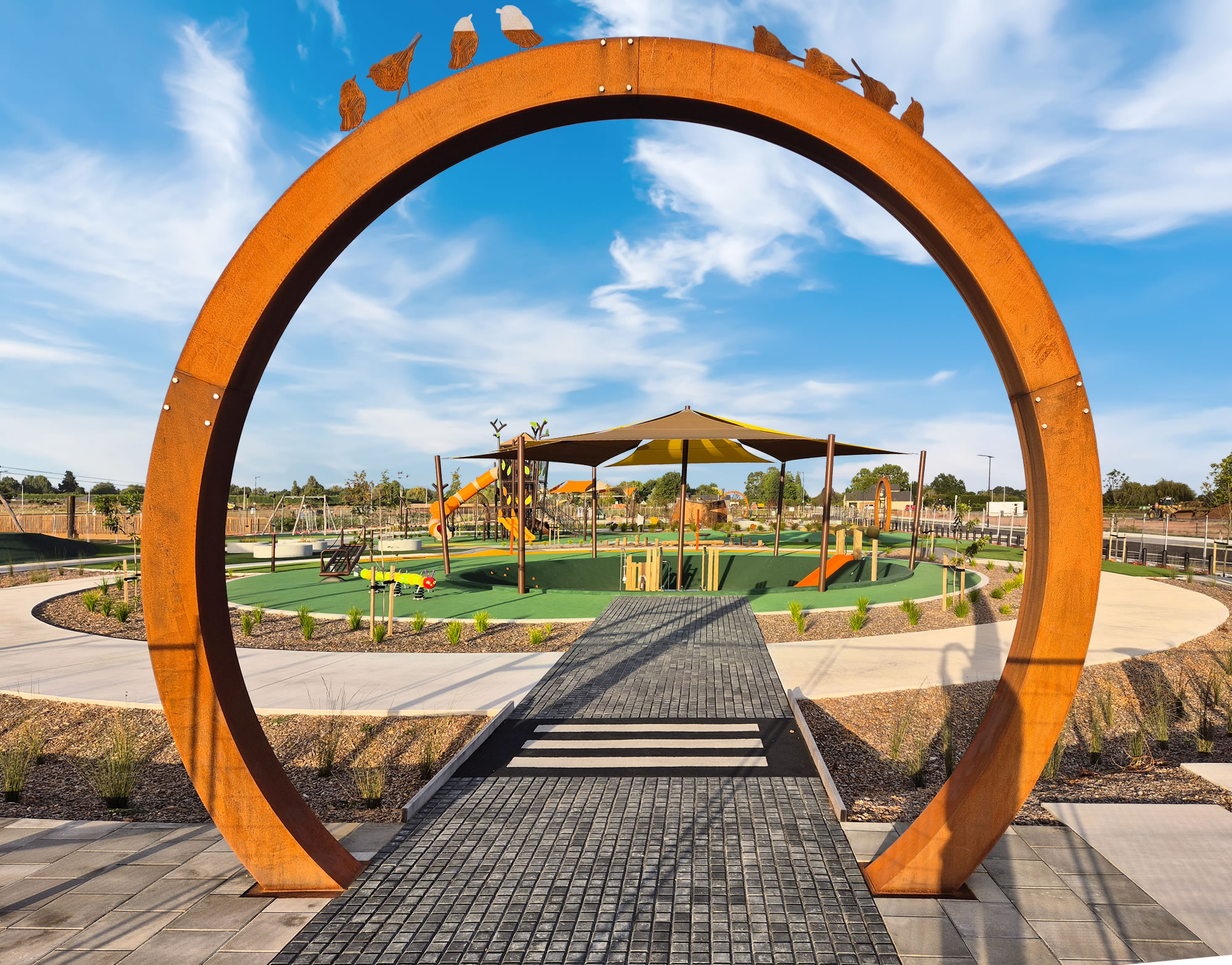
One of the most defining trends in outdoor space design is the growing focus on place-led solutions. Across Aotearoa, public spaces are increasingly expected to reflect local identity, culture and context – rather than applying generic design responses.
Place-led design recognises that public spaces carry meaning. Through materials, form, colour and layout, outdoor environments can tell stories about where they are and who they are for. In New Zealand, this often involves working alongside mana whenua and communities to ensure spaces reflect local whakapapa and values.
In practice, this is influencing outdoor space design through:
- Material and finish choices that respond to local context and environment
- Forms, patterns and details that reference local stories or cultural narratives
- Collaboration with mana whenua and community stakeholders early in the design process
- Customisation of standard elements to suit place, rather than applying uniform solutions
- Layouts that reflect how a space is used, valued and experienced locally.
Street and park furniture becomes part of this expression. When designed with flexibility and intent, it helps spaces feel grounded, distinctive and genuinely connected to place – reinforcing identity while still meeting everyday functional needs.
3: Social connection and community wellbeing
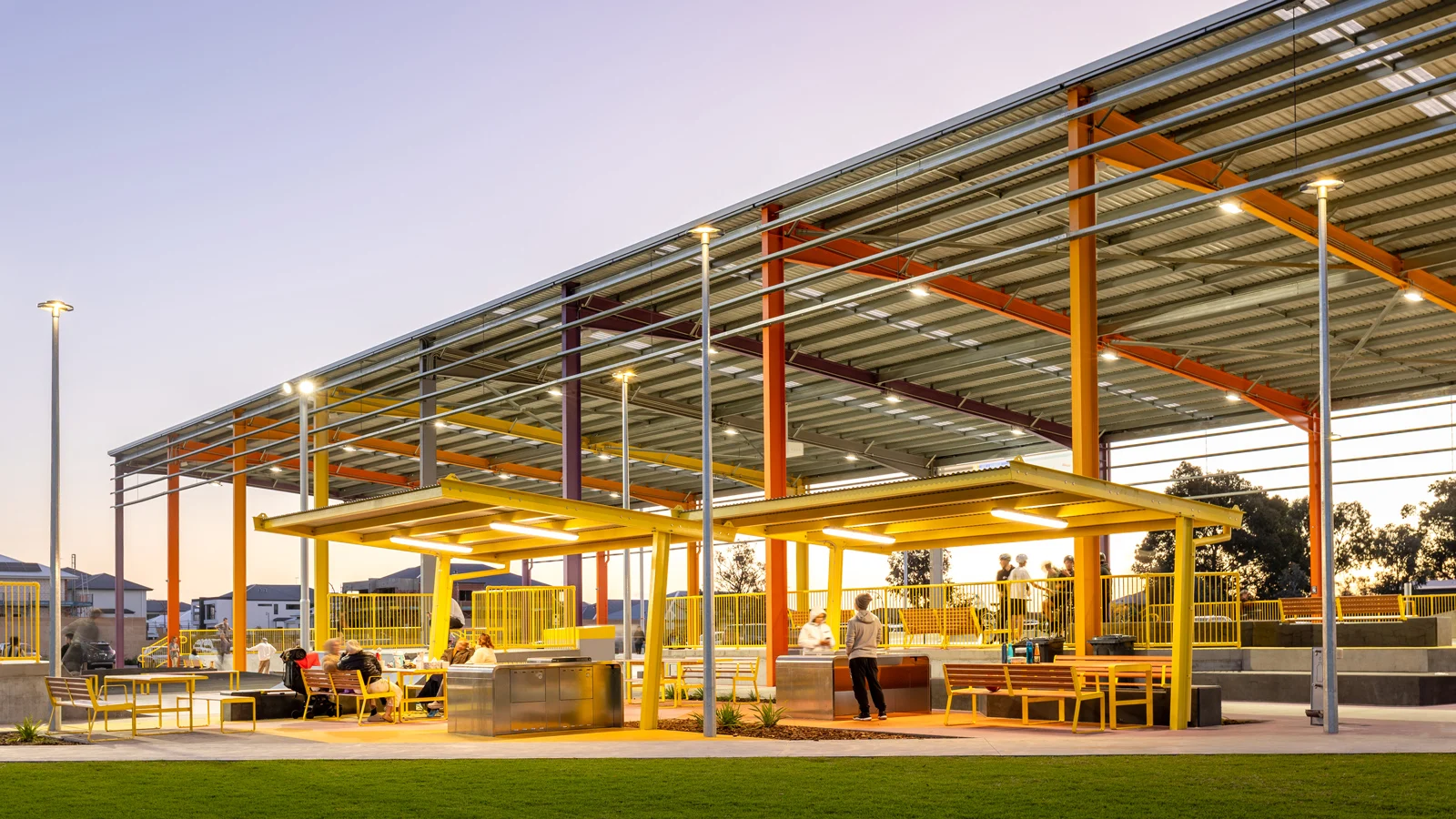
Outdoor spaces, particularly public parks and streetscapes, are increasingly recognised as vital social infrastructure – places where people gather, interact and build a sense of belonging. In New Zealand and globally, this reflects growing awareness of the value of everyday connection in combatting social isolation and fostering community wellbeing.
In practice, this is shaping the design of streetscapes, parks and cultural, retail and commercial precincts through a focus on:
- Social seating clusters that encourage face-to-face interaction
- Flexible layouts that accommodate everyday activities and community events
- Shared tables and outdoor dining and BBQ areas in civic and neighbourhood settings
- Shaded, comfortable areas that encourage people to stay longer
- Furniture configurations that balance social interaction with personal space.
When these elements are thoughtfully integrated, public spaces become places people choose to spend time – not just pass through.
4: Active mobility and everyday recreation
Walking, cycling and active are now part of how people move through streets, town centres and public spaces as part of everyday life.
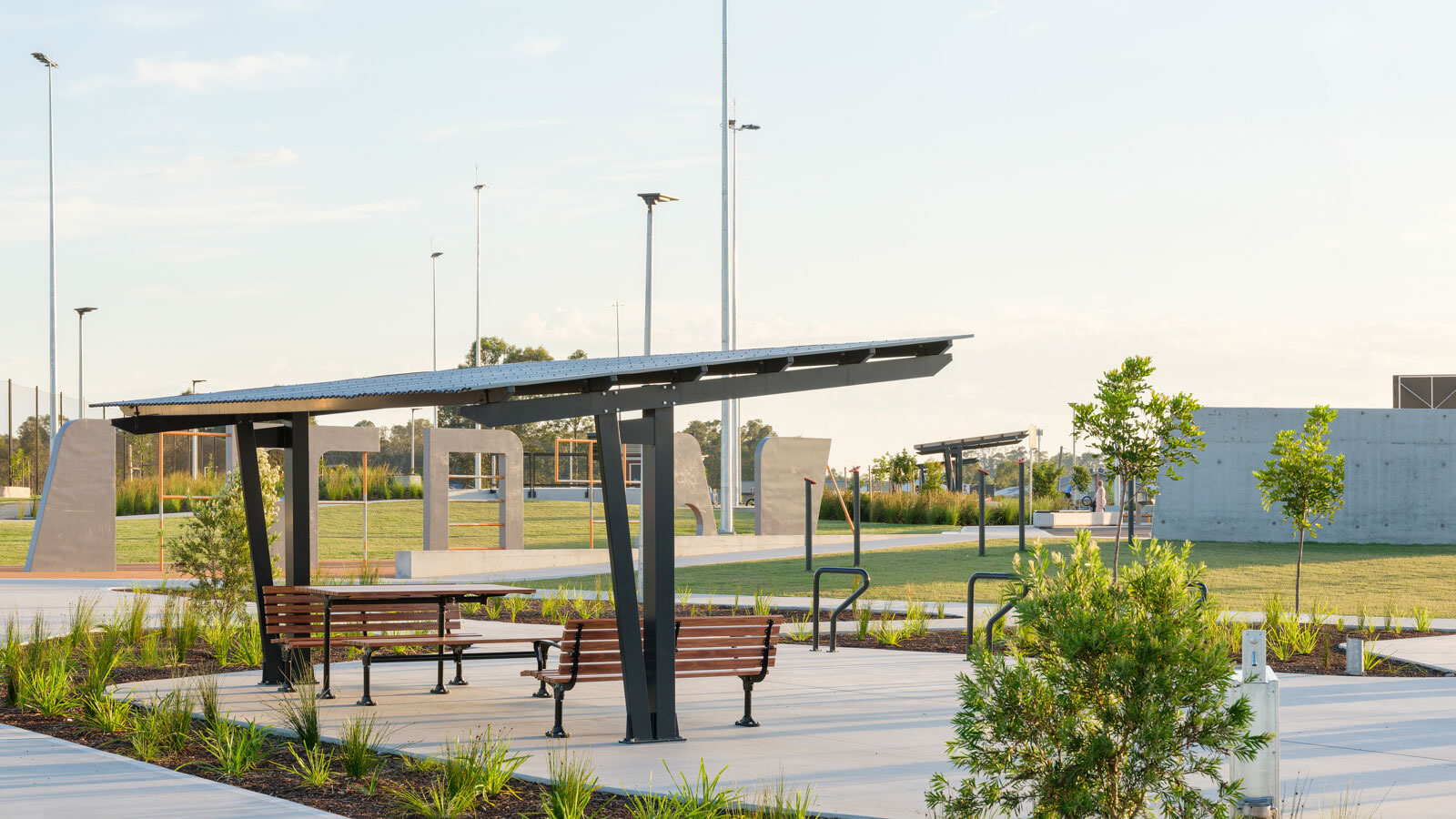
This shift is changing how outdoor spaces are planned. Rather than treating movement as something that happens in and around public places, designers are increasingly considering how streetscapes and precincts function as part of wider movement networks – supporting environmentally friendly, safe and continuous journeys.
This translates into:
- Integrated bike and scooter parking located near destinations and activity nodes
- Seating and rest points along movement routes to support short stops and recovery
- Shelter and shade elements that making walking and cycling more comfortable year-round
- Durable, low-maintenance furniture suited to high-use, high-traffic environments.
5: Mental health, nature connection and restorative design
Not every public space needs to be active or energetic. As streets and precincts become busier, the value of outdoor spaces that offer relief is increasing – places where people can slow down, take a break and feel more at ease.
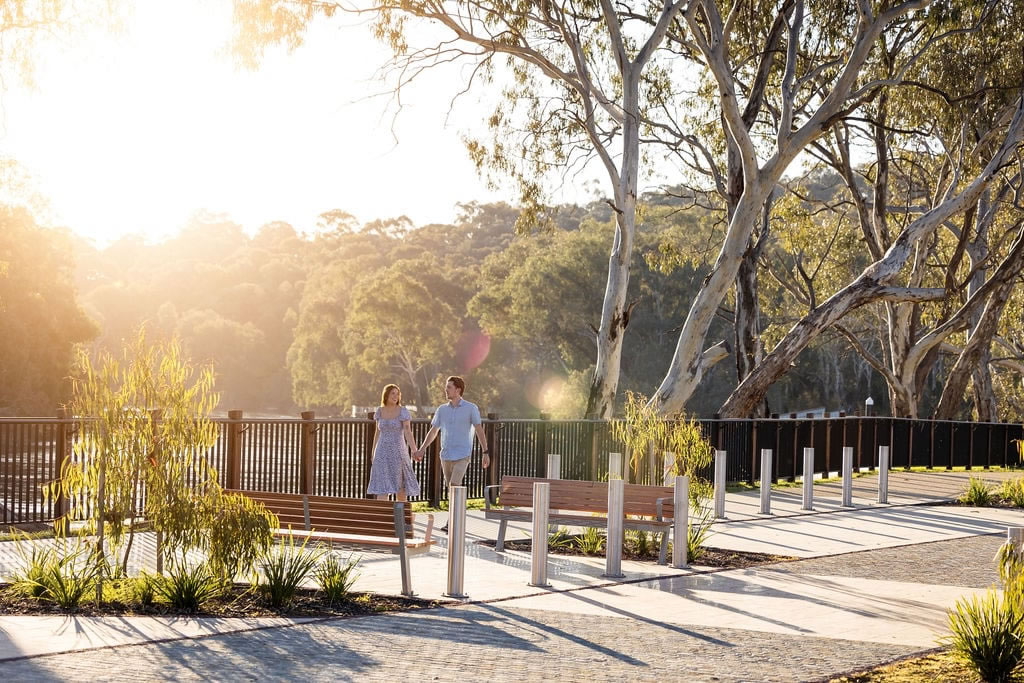
This is where restorative design comes in. In simple terms, restorative design focuses on creating outdoor environments that help people feel calmer, more comfortable and mentally refreshed. In public spaces, that often means paying close attention to layout, materials, greenery and where people are able to sit, pause and spend time.
Importantly, restorative design complements – rather than competes with – active recreation. While walking, cycling, play and fitness support movement, restorative spaces provide balance — making public places more inclusive and usable for people who may not want, or be able, to stay active for long periods.
This is influencing design decision such as:
- Creating quieter areas within larger or more active spaces
- Positioning seating to support rest, pause and reflection
- Using natural materials, textures and restrained colour palettes
- Integrating planting and landscape elements alongside furniture
- Designing layouts that support both solitude and low-key social presence.
When active and passive uses are considered together, public spaces work better for more people. They encourage longer stays, broader use and a more relaxed, welcoming experience — all essential qualities of well-designed public places.
Street furniture solutions for places for people
At Urban Effects, we partner with councils, developers, landscape architects and schools to translate these trends into practical design solutions – from thoughtfully curated product mixes for different place types to custom elements that help tell a local story.
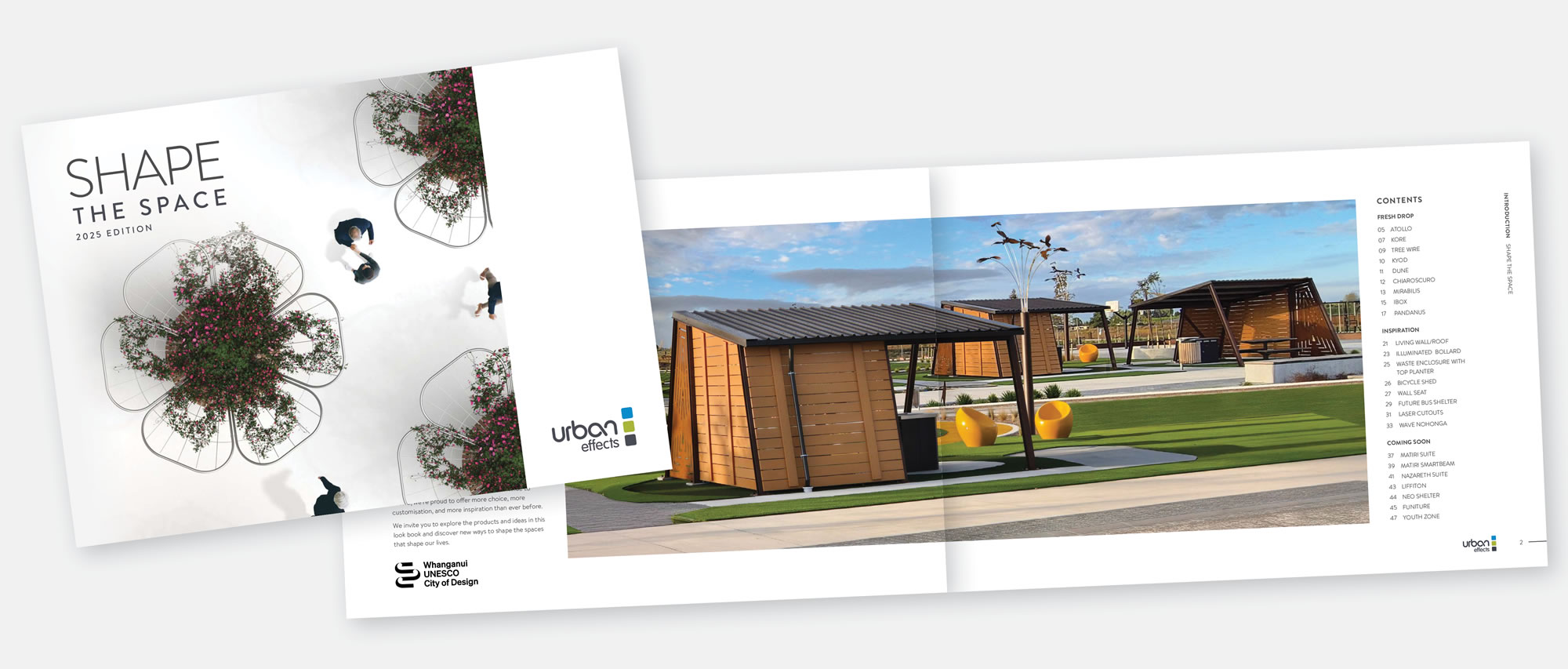
Our Shape the Space Look Book showcases what’s new and what’s next in street furniture and streetscape design – inspired by the trends shaping today’s public places.
Download the Shape the Space Look Book or get in touch with Urban Effects to explore how we can help plan, design and build your next outdoor space project.