
Published 4 June 2026
Seating – The Public Space Design Essential
The power of seating in public space design and how to get it right
Public spaces really come to life when people feel they can stop and share a moment there. Seating is one of the simplest and most powerful ways to make that happen.
Without places to sit, people move on. With them, they stay, and everything else follows – conversation, observation, and activity.
Urban design research and thinking, including Jan Gehl’s foundational “Life Between Buildings”, highlights that: “While necessary activities take place regardless of the quality of the physical environment, optional/recreational activities depend to a significant degree on what the place has to offer and how it makes people behave and feel about it”.
As New Zealand street and park furniture designers and outdoor space specialists, Urban Effects sees seating as one of the most important tools for shaping how an outdoor space looks, feels and functions.
In this article we explore how seating in public spaces sets the scene for shared moments outdoors and what to look for when you design and specify seating for urban streetscapes, precincts and developments.
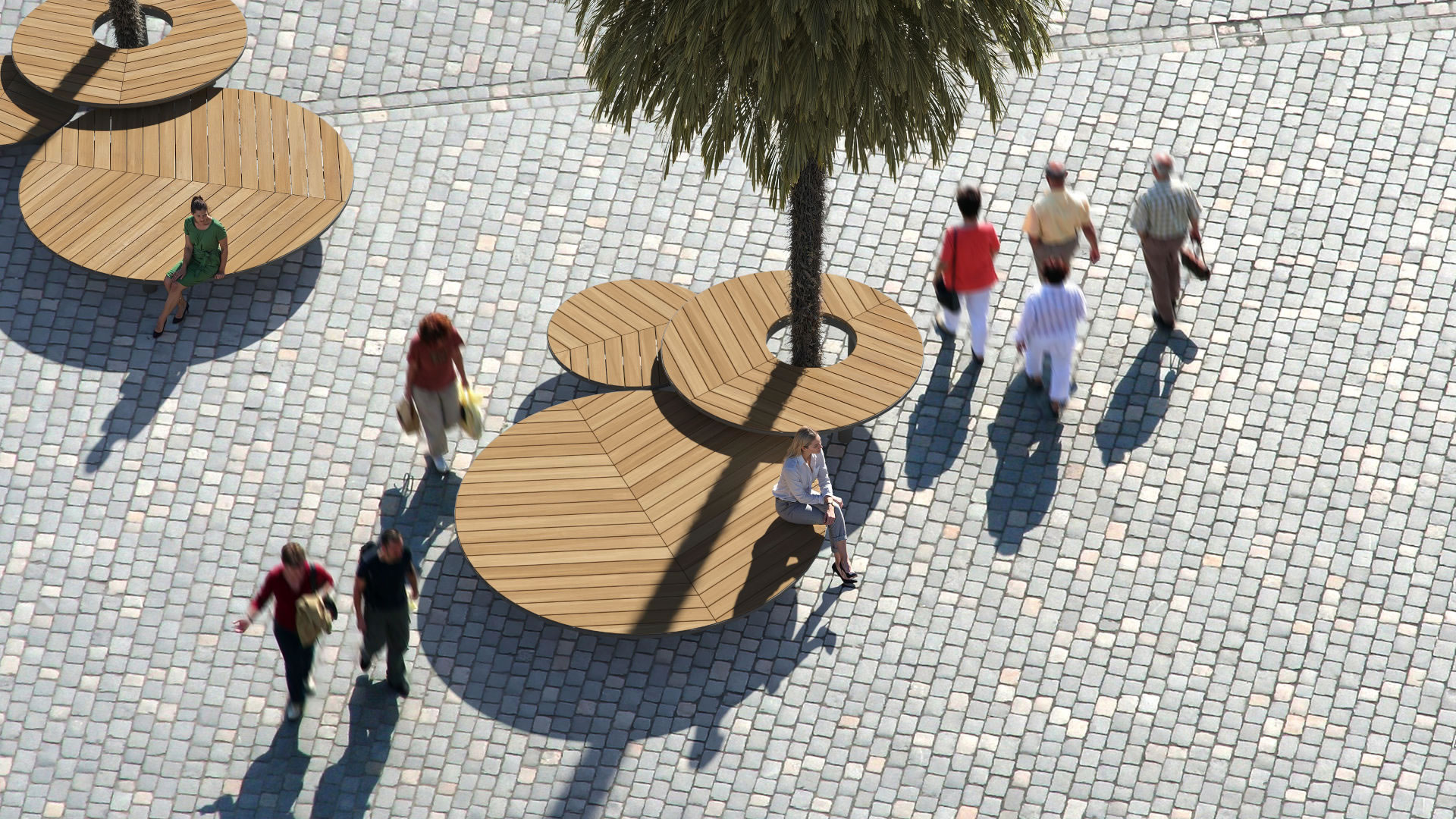
Why seating is central to outdoor space design
Seating turns movement into staying
Most public spaces already have movement built in. People pass through on their way to work, school, shops, housing and transport. Seating is what turns a thoroughfare into a destination.
Comfortable, well-located places to sit provide a natural place to pause and an invitation to stay a little longer, chat with a friend, finish a coffee, make a phone call or simply take a moment to breathe on a busy day. That extra time in the space is when people notice local businesses, use nearby amenities, interact with others, and form a stronger connection with a place itself.
Seating multiplies activities and shared moments
Seating activates a space. With a purposeful mix of seating types, an outdoor space can support multiple activities: informal meetings, lunch breaks or that favourite pastime of many – people watching.
A few practical examples:
- Benches and seats along footpaths provide rest points and meeting spots.
- Curved or platform-style seating, or seating clusters, in retail, cultural or commercial precincts encourages small groups to gather and socialise.
- Table settings invite workers to take their breaks outside in the fresh air.
- Sheltered seating provides a practical escape from rain or wind or respite on a hot day.
Seating supports equity and inclusion
Good public space seating broadens who can use a space. A mix of heights, armrests, backrests and positions provides choices for older people, young children, people with mobility challenges, parents with prams and everyone in between.
Accessible seating along routes and near entrances, play areas, transport stops and key destinations makes it easier for more people to participate in daily life outdoors. Instead of feeling like public spaces are only designed for those who can stand or keep moving for long periods, people of all ages and abilities can find a place that feels welcoming and comfortable.
Public space seating supports the local economy and safer-feeling places
Across main streets, business parks and mixed‑use precincts, well‑designed public spaces that include seating attract more people and support stronger local economies. Aesthetics and amenity combine to lift patronage for nearby cafes, retailers and services and signal that this is a ‘place to be’.
Spaces with a steady presence of people also tend to feel safer. In line with Crime Prevention Through Environmental Design (CEPTED) principles, regular, positive use supports passive surveillance and reduces the likelihood of vandalism. Seating is one of the simplest ways to invite that everyday presence.
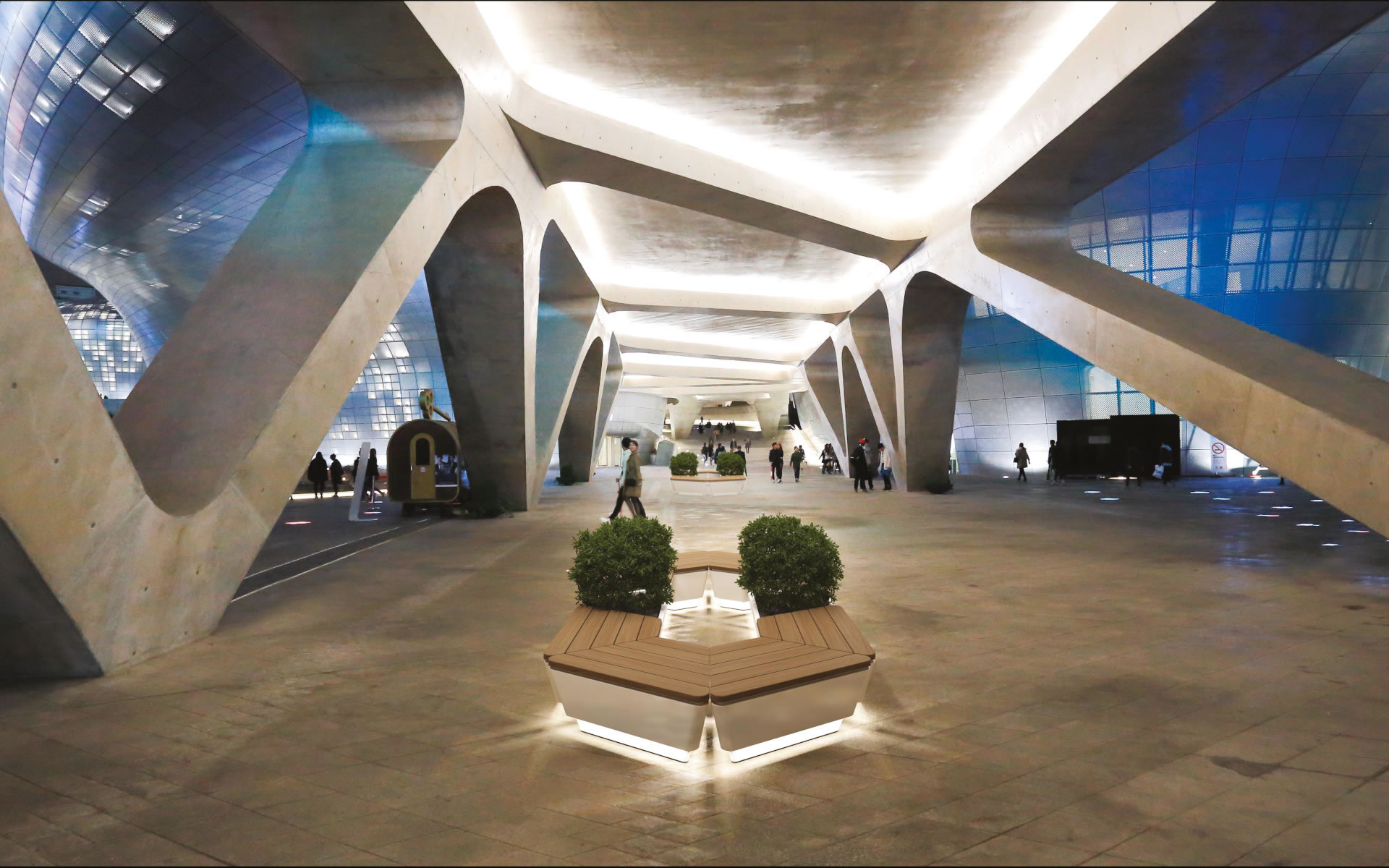
Designing seating into outdoor spaces
Focus on the “life between buildings”
Rather than thinking of outdoor spaces as a finishing touch once buildings, roads and services are resolved, it helps to begin by imagining the everyday life that will happen “between the buildings”.
Who will be here at different times of the day and week? What should they be able to do: wait, talk, rest, eat, work, supervise children, connect with nature? Once these activities are clear, seating can be planned deliberately to support them, rather than added into ‘leftover’ space.
Map movements and moments
The next step is to map key movement paths and ask: where are the natural pause points, viewing spots, waiting areas or edges where people might like to sit? Aligning seating with these ‘moments’ makes it more likely to be used.
This can include places with a view, sun or shade depending on the season, protection from wind, proximity to entrances, play areas, food outlets, transport stops or building lobbies. When seating lines up with these patterns of use, it feels intuitive, purposeful, and inviting.
Think seating clusters and systems
Outdoor spaces work best when seating is planned as a system. Clusters of different (but complementary) seats, benches and tables create social hubs, while more linear arrangements of benches help define pathways, zones and edges of an outdoor space.
Modular seating suites allow designers to curate a space with pieces that work together – visually and functionally. Over time, layouts can be extended, reconfigured or fine-tuned without starting from scratch, which is valuable for long-life public spaces where needs may change.
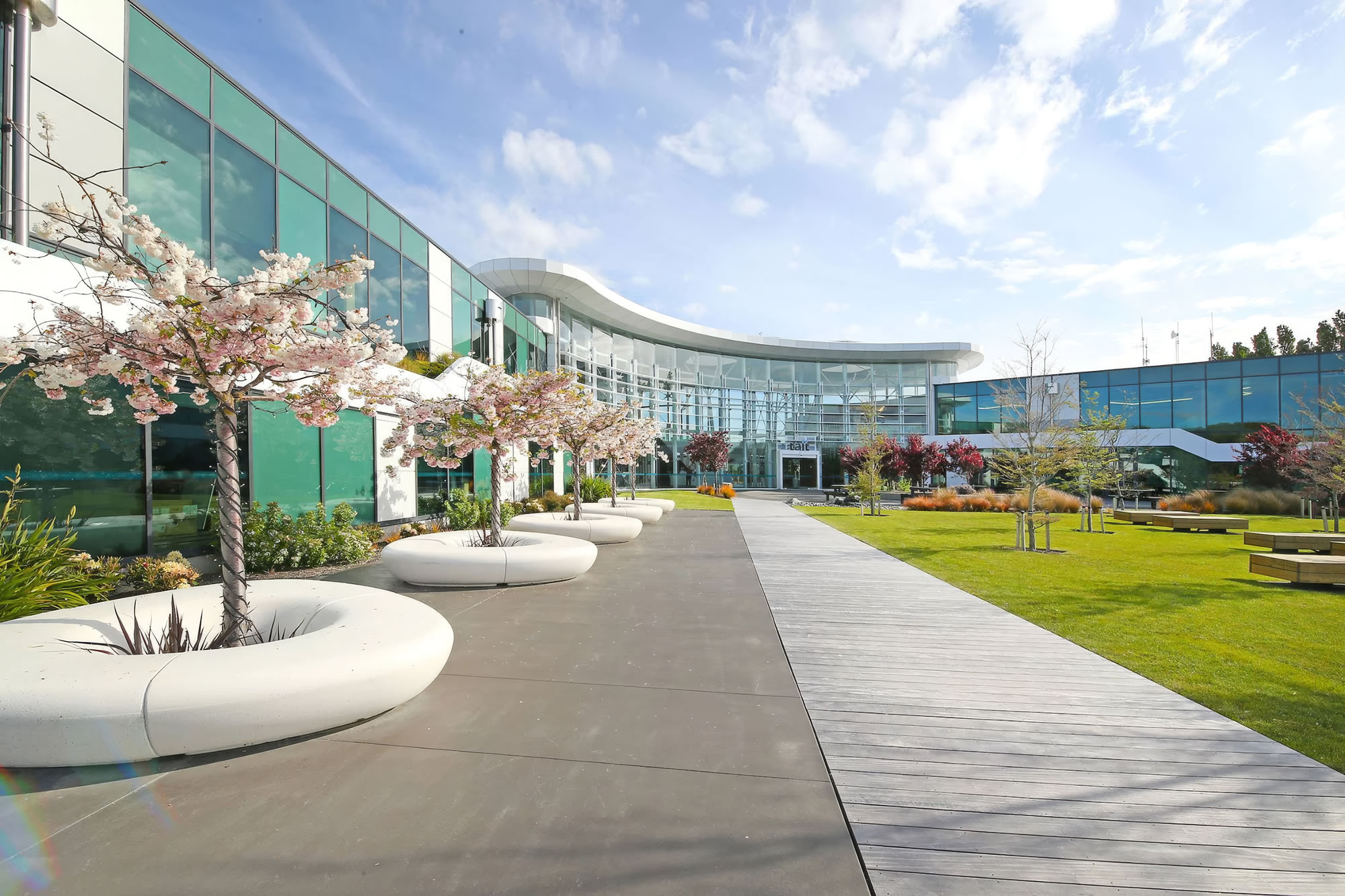
What to look for when choosing seating for public spaces
This is where planning turns into practical decisions. When you are selecting seating for an outdoor public space, streetscape, urban precinct or development, these principles can help guide your brief and specification.
1. Comfort and choice
People stay longer when seating feels good to use. Aim for:
- Comfortable proportions, with supportive backrests in key locations.
- A mix of seating types, for example benches with and without backs, single seats, cubes or platforms and table settings.
- Some seats with armrests or intermediate supports to make sitting and standing easier.
This gives different users real choice in how and where they sit.
2. Configurations
Look for seating suites that give you real flexibility in how you can configure a space, without having to move into full custom design.
Consider:
- Product ranges that include different seating types, for example benches, single seats, cubes, platforms and table settings, so you can mix and match them to serve different functions.
- Seating options that can be used as both stand-alone pieces and in combinations, for example, linked or grouped) to create different settings from the same family.
- Product suites that offer variations in length, shape (such as straight and curved options) and orientation, and make it easy to find seating that’s a perfect fit for a space.
This lets you shape a space’s seating layout to suit a site’s specific purpose and dimensions.
3. Durability and maintenance
Public seating needs to work hard and remain its visual appeal over many years. Look for:
- Robust construction and finishes suited to local climate and level of use.
- Fixings and details that help manage vandalism risk.
- Surfaces that are straightforward to clean and maintain so spaces remain inviting.
Investing in the quality seating at the start usually reduces long‑term maintenance effort and cost.
4. Flexibility and future use
Needs change over time. Modular seating suites let you:
- Reconfigure or extend layouts as patterns of use evolve.
- Add matching elements such as tables or extra benches later.
This keeps options open without major rework.
5. Place identity and story
Finally, seating can help express the character of a place. Material choices, colours, laser cut designs and graphics can reference local stories, cultural identity or precinct branding in a way that still feels timeless and robust.
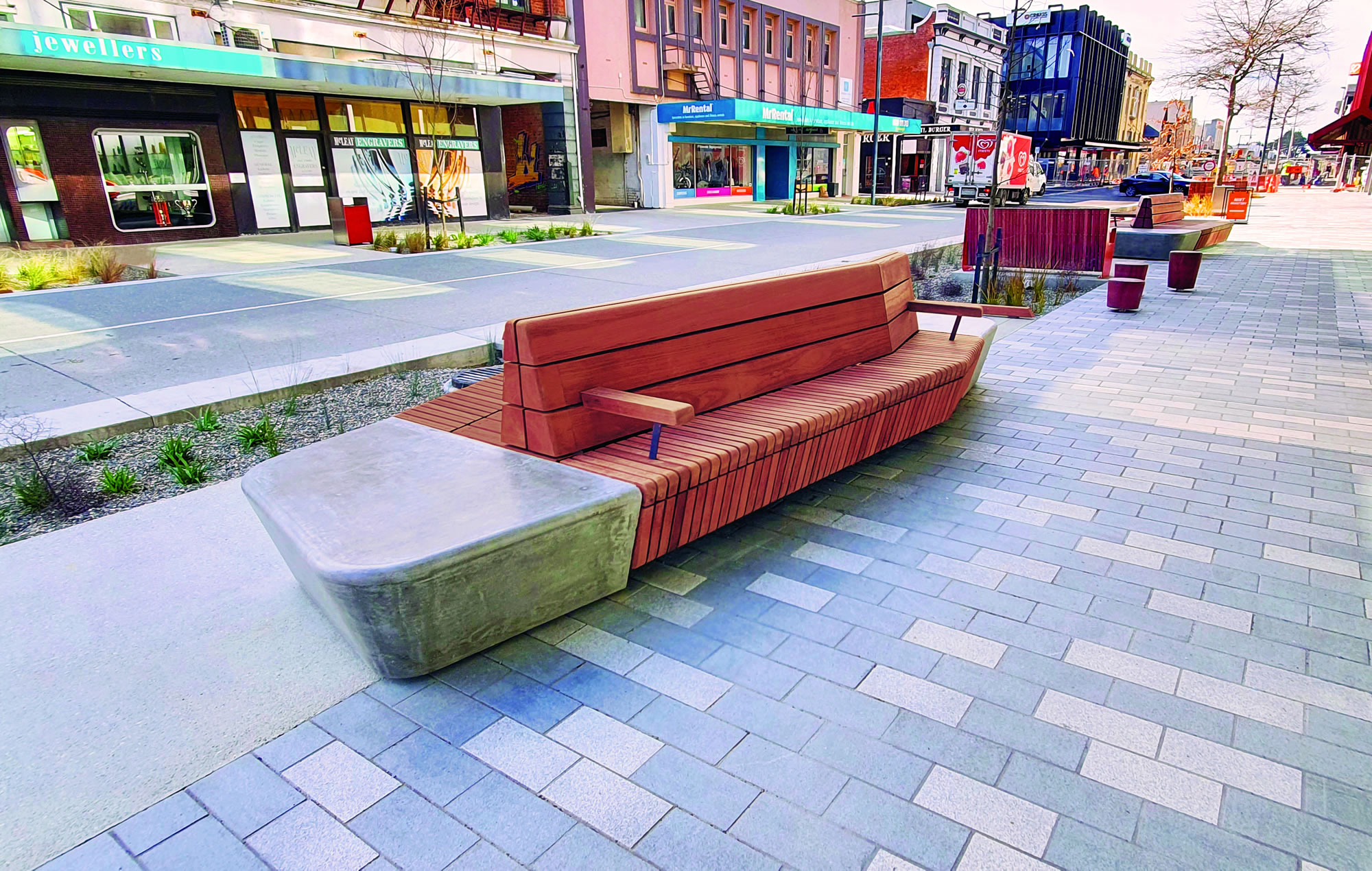
New Zealand made seating for public spaces
Urban Effects designs, manufactures and supplies a wide range of New Zealand made seating solutions as well as designs from global leaders for public spaces, including modular suites with benches, seats, and platforms.
The latest additions to the range, the Nazareth and Matiri seating suites, have been developed to support the principles outlined in this article: comfort and choice, smart layouts, durability, flexibility and a strong sense of place.
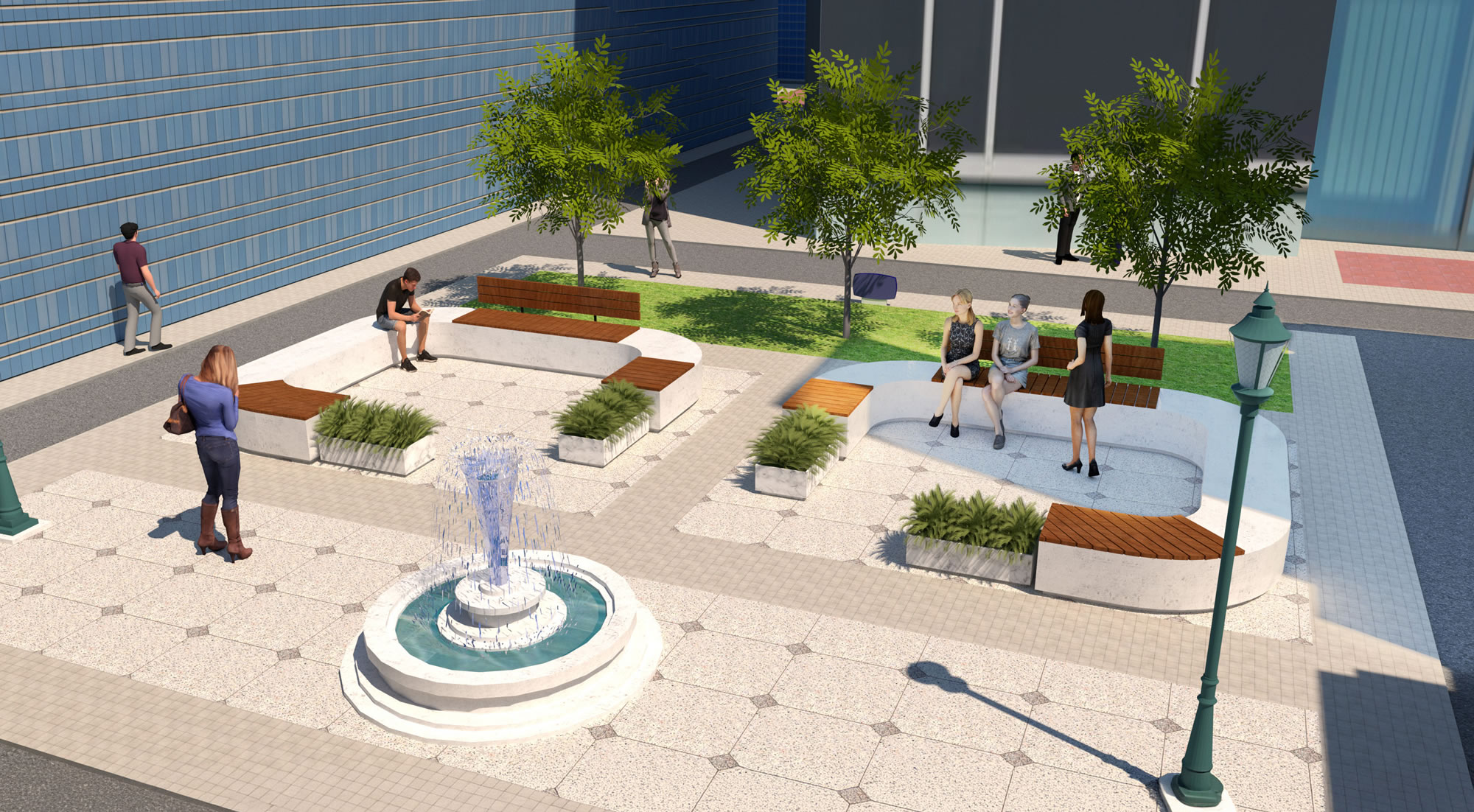
The Nazareth Suite is ideal when you want seating that connects people and place. Its modular concrete and timber benches and cube seats can be used as stand‑alone elements or connected and configured in multiple ways to set the scene for shared moments outdoors, define edges and frame planting or views. Nazareth also offers opportunities to incorporate patterns or graphics into the concrete base to reference local stories or branding.
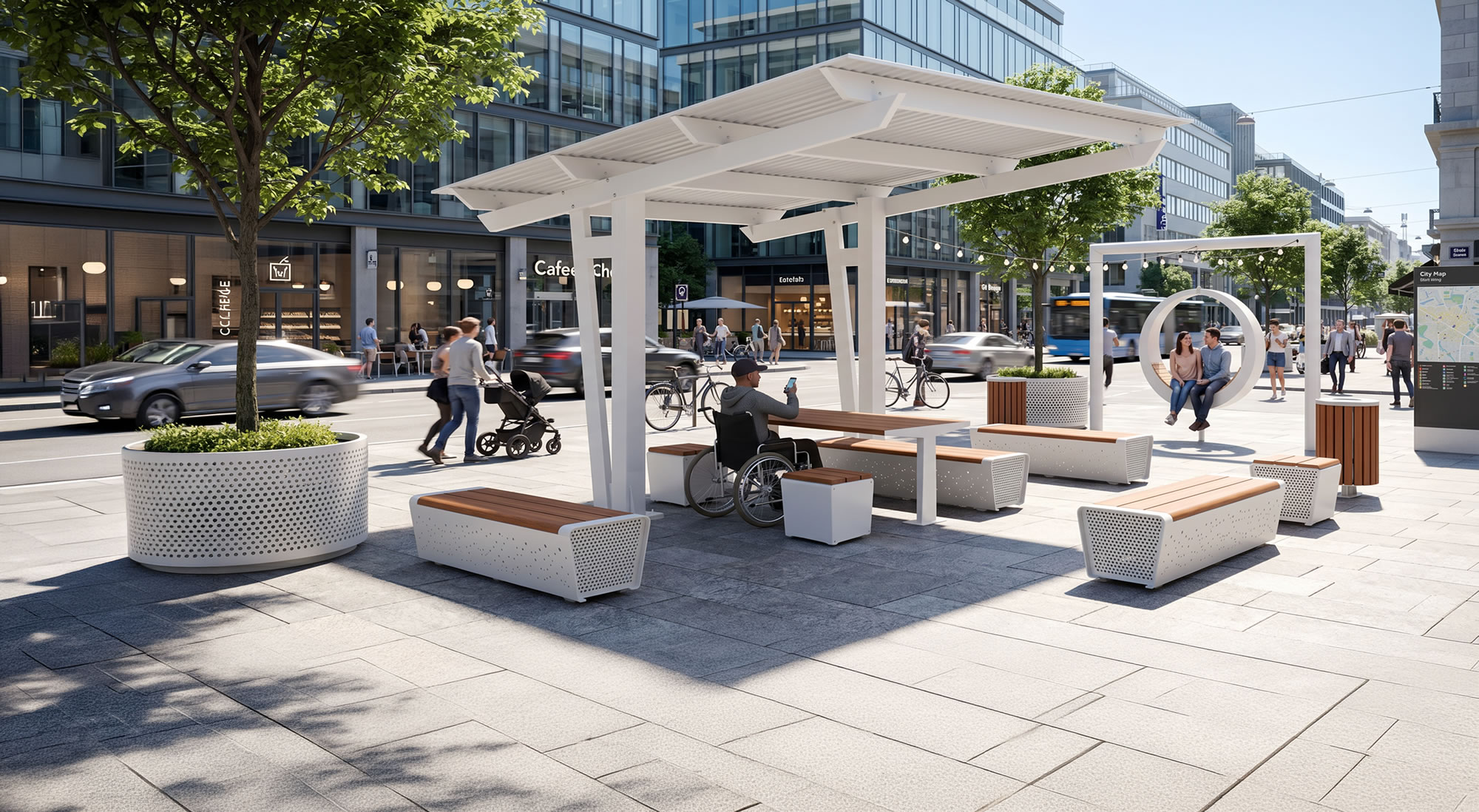
The Matiri Suite is designed for the flow of everyday public life. Benches, seats and table settings can be mixed and matched to facilitate everyday moments, from solo coffee stops to group catch ups. While the SmartBeam accessory provides solar powered device charging and LED lighting to support longer use and better visibility after dark. Customisation options such as powdercoat colours and laser cut frame designs help you align Matiri seating with the character and identity of any site.
Both suites are New Zealand designed and made, and can be combined with Urban Effects shelters, tables, bins and bike racks to complete your outdoor space.
If you are planning a new urban precinct, main street upgrade or mixed‑use development, this is the moment to ask: where will people sit, stay and share moments?
Urban Effects’ outdoor space specialists, based in Whanganui and Rangiora and working across Aotearoa New Zealand, are ready to help you piece together the right mix of seating for your place, purpose and price point. Get in touch today to discuss seating solutions for your project.