
Published 21 August 2025
Doing Good: The guide to designing outdoor spaces that foster community pride and prevent crime
What if the design of your outdoor space could not only look good, but do good? What if smart design choices – including street furniture – could help your community not just feel safe, but actually be safer?
That’s the power of Crime Prevention Through Environmental Design (CPTED): a proven approach that helps you plan and build outdoor environments that encourage community use, while discouraging crime.
While CPTED isn’t new, it’s as relevant today as it’s ever been, and the latest innovations in outdoor space and street furniture design are providing communities new ways to make it work for them. From involving locals in the design of their outdoor spaces to using smarter layouts, durable materials and convenient accessories, its helping shape places people feel proud of and want to use, care for and protect. And it’s this strong sense of ownership that is one of the most effective deterrents of crime!
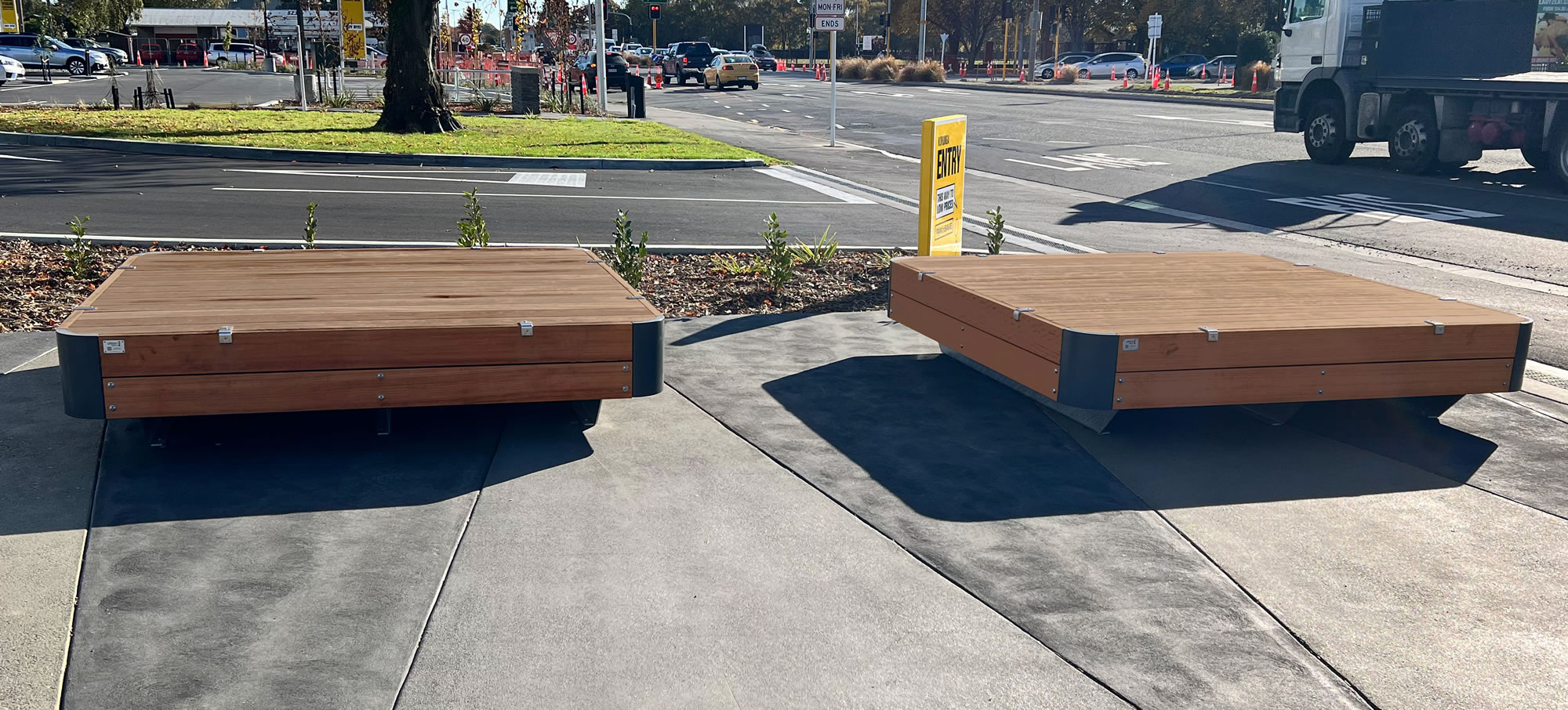
What is CPTED?
The International Crime Prevention Through Environmental Design Association defines CPTED (also known as Designing Out Crime) as a “multi-disciplinary approach to crime prevention that uses urban and architectural design and the management of built and natural environments”.
At its heart, CPTED relies on design choices that make it easier for people to feel relaxed and safe in their local parks, streets and shared public areas, and harder for individuals to infringe on this right. Because acts like vandalism and graffiti don’t just affect how a space looks; they carry significant social and financial costs for communities. CPTED helps to minimise these impacts by creating public spaces that are less susceptible to misuse and destructive behaviour.
Since 2005, New Zealand’s The Ministry for the Environment has recognised CPTED and the seven core principles that guide its application:
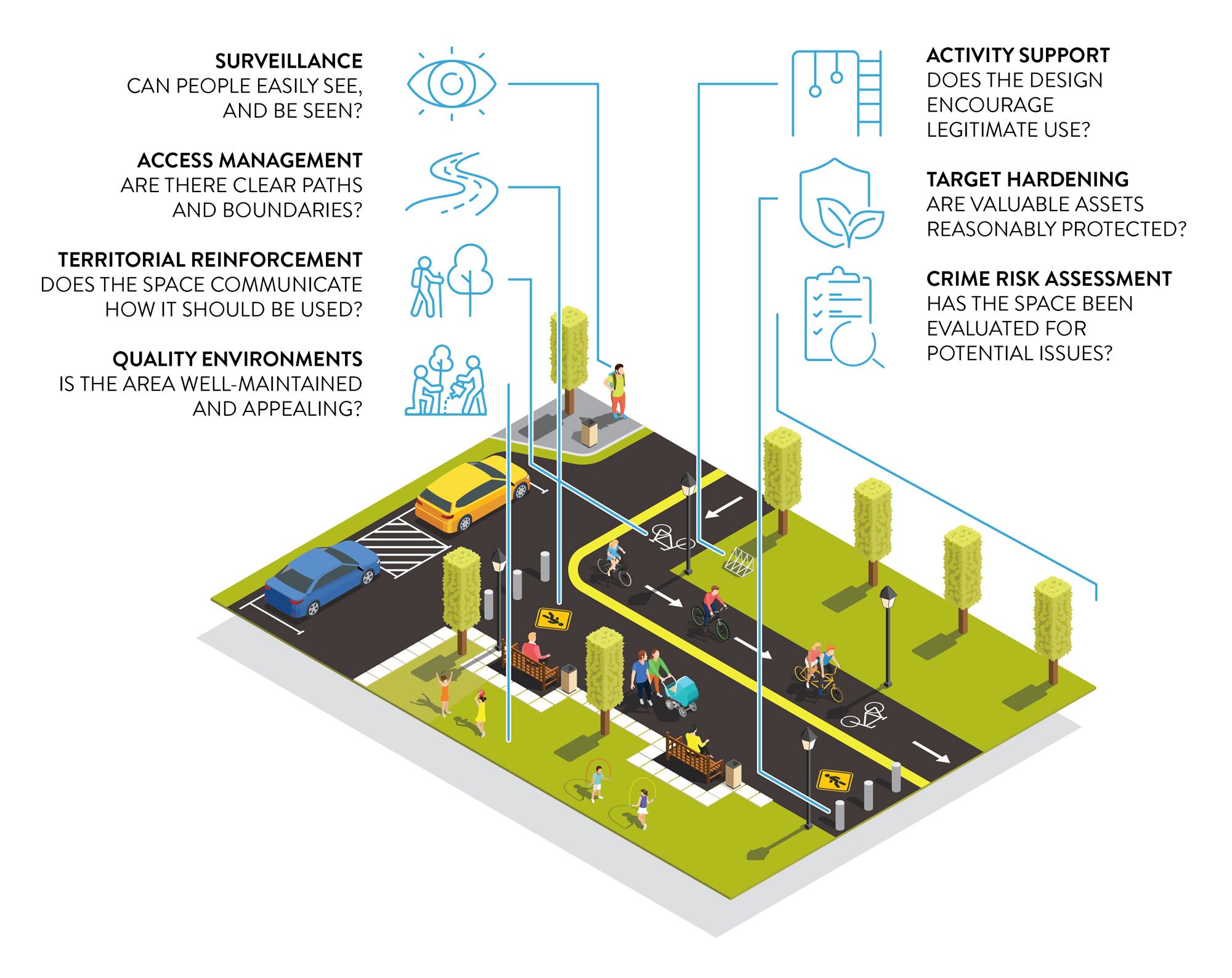
The Goal of CPTED: More Community, Less Crime
CPTED’s purpose is multi-fold: it not only aims to directly prevent crime through physical design features, but to also create natural guardianship through community pride and active use.
That’s why, despite being developed in the 1960s, it’s seen a modern resurgence with several recent projects in New Zealand – especially when paired with the higher levels of community consultation and involvement now recognised as essential in the design of our public spaces. As landscape architecture firm Boffa Miskell notes, CPTED works best when planners and designers are “listening to the community and applying a collaborative approach to design.”
This principle is reinforced in the Safer Cities by Design discussion paper (2022) by the Helen Clark Foundation and WSP. The paper highlights how CPTED was embedded into Christchurch’s post-earthquake rebuild, with planners listening to community concerns about safety. The Christchurch Bus Interchange is a standout example, incorporating open sightlines, clearly defined pedestrian zones, and transparent materials to improve natural surveillance and reduce opportunities for antisocial behaviour. These design choices led to a notable reduction in police callouts, indicating improved safety and community confidence.
A similar philosophy was applied in Auckland’s Eastern Viaduct and Puhinui Stream projects, led by Eke Panuku. Although not referenced in the report, these initiatives reflect its recommendations by engaging local youth through creative consultation—such as drawing and storytelling—to influence the design of safer, more inclusive public spaces. Involving young people in this way supports the kind of social connection, belonging and shared responsibility that Safer Cities by Design identifies as critical to reducing youth crime and improving community safety.
How CPTED Works
At Urban Effects, we’re proud to support this CPTED-informed approach.. Here’s how they work:

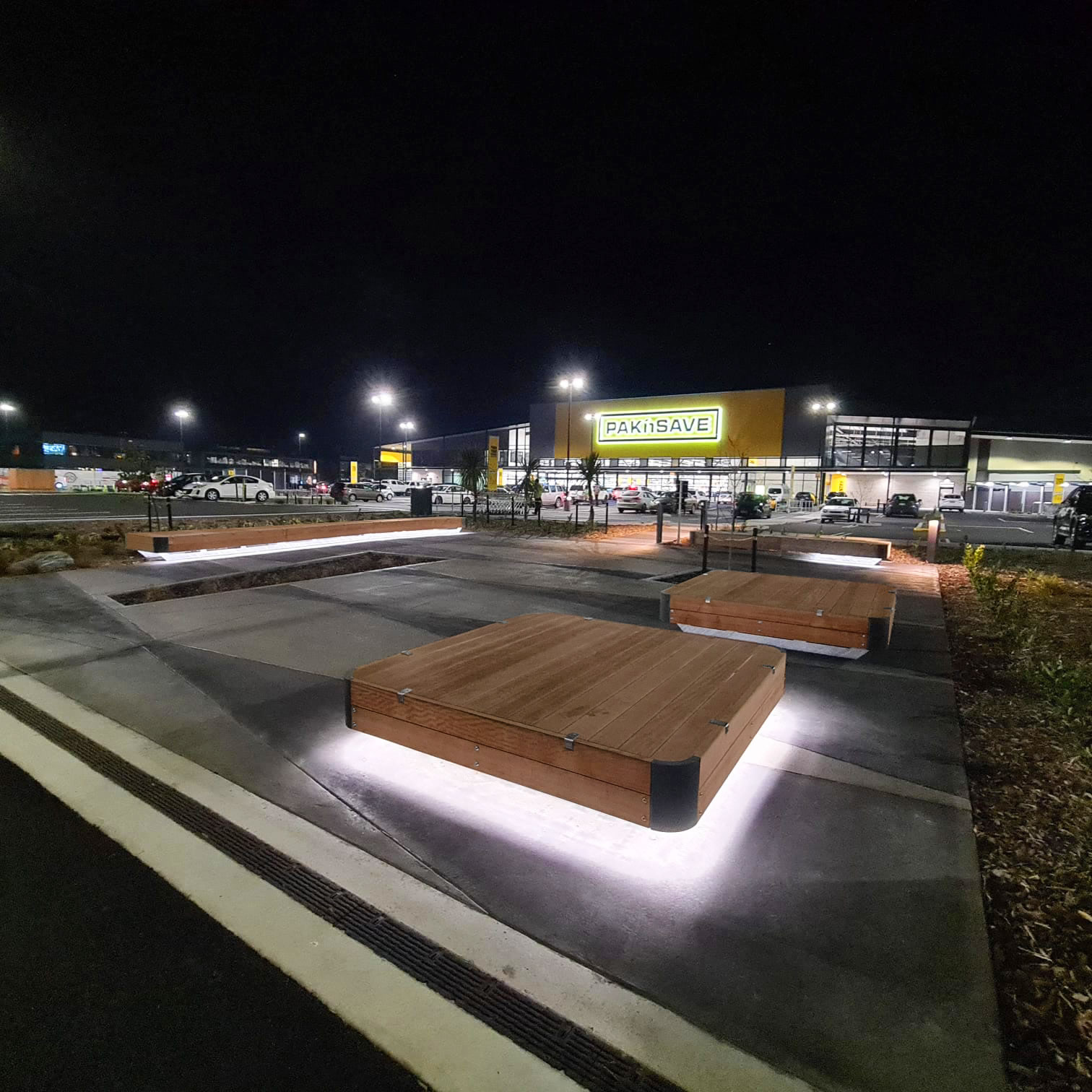
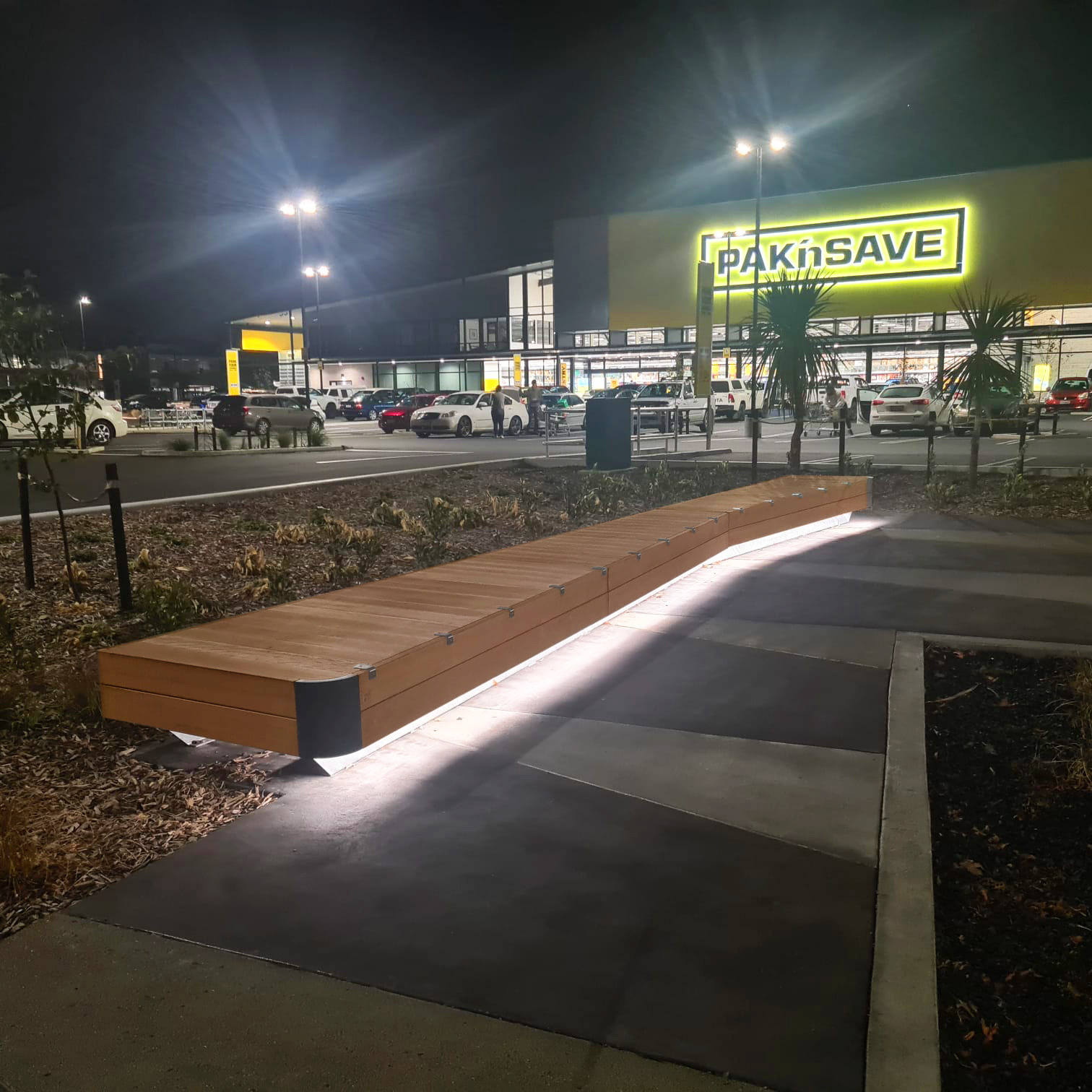
They help you feel safe. People tend to feel safer in open, well-lit spaces. Innovative shelters like the Neo Shelter Deluxe address this by integrating LED lighting and clear sight lines to create safe social hubs, day or night.

They signal care. Places that look taken care of tend to stay that way. Our rubbish bins aren’t just functional, they can be customised to incorporate logos and local motifs that send a message that someone’s looking after this space.
They encourage the right activity. Features like BBQs, picnic tables and bike racks support the recreational activities public spaces are for, making it safe and easy for those wanting to use them appropriately to do so.

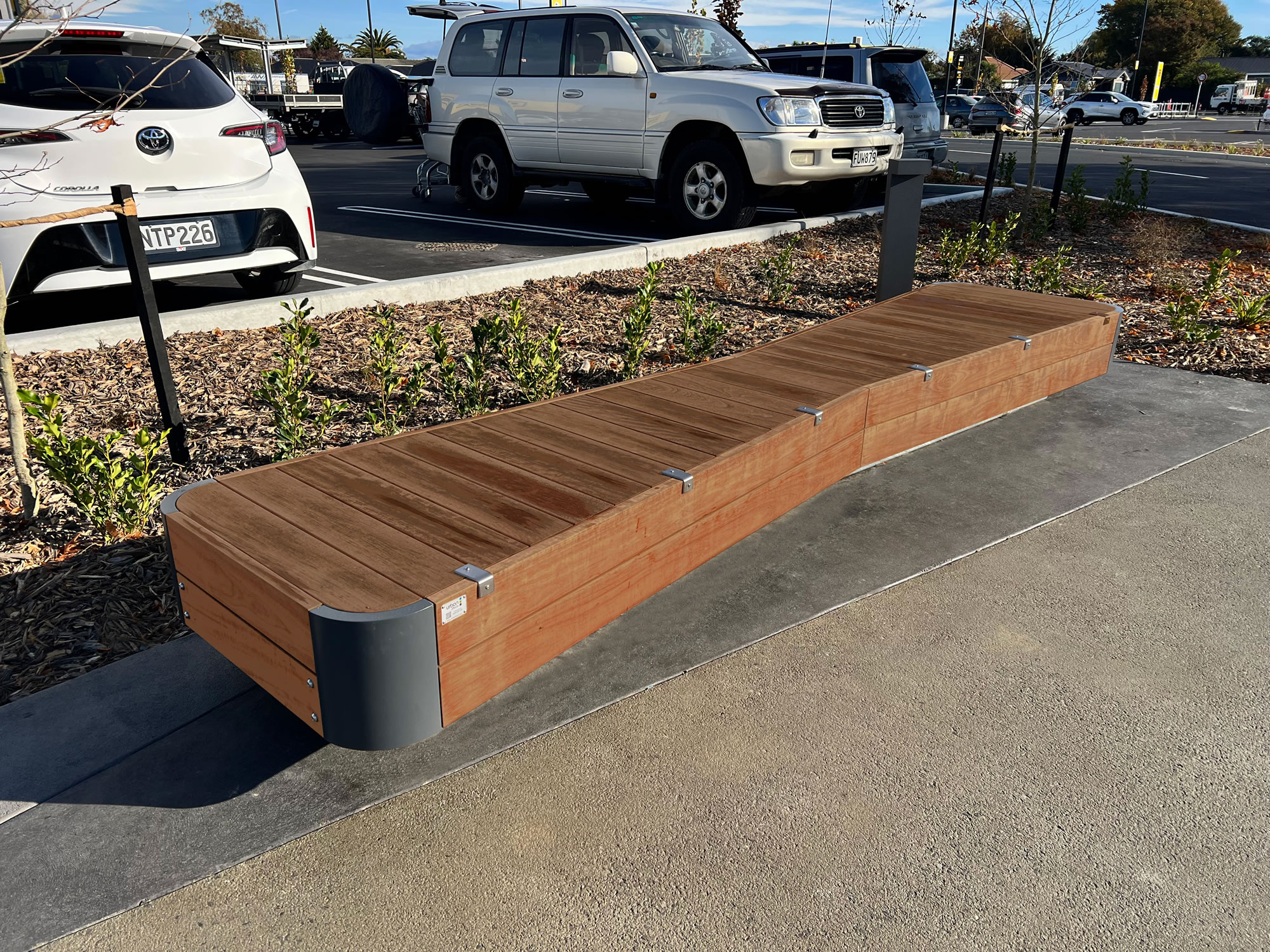
They guide movement. Thoughtfully placed seating areas and benches naturally direct people where you want them to go, without obvious barriers.

They create boundaries. Simple elements like bollards control vehicle access and define safe pedestrian zones. They channel traffic into visible routes without blocking emergency or foot access.
How to bring CPTED to your community
At Urban Effects, we’re proud to be part of this movement. By bringing together cutting-edge design with local manufacturing expertise, we help to create spaces that make your community not only feel safe, but feel proud.
Want to enhance your public space with CPTED-informed design?
Talk to our team today.